


Raj Kambo
Senior Global Account Director
5 Minutes
The global telecom expense management market is set to nearly double by 2030. Self-serve tools are no longer a nice-to-have.
I’ve worked in telecoms for almost 20 years, and the difference between then and now is massive. Telecoms used to be something businesses barely thought about. These days it sits right at the centre of how companies operate.
Mobile connectivity, remote working, cloud platforms, IoT devices, multi-site operations they all depend on reliable, well-managed connectivity. And as that reliance has grown, so has the complexity behind it.
In the past, it was easy to manage telecom estates through Microsoft Excel, support tickets and a lot of manual admin. It worked when estates were smaller and didn’t change much.
But in todays world it’s that’s not how businesses operate. People join, leave and move roles constantly. Sites open and close. Data usage spikes. SIMs get lost. Devices get reassigned. Things change every week. And if your telecom setup is changing that fast, the way you manage it has to keep up.
This is where self-serve has become essential.
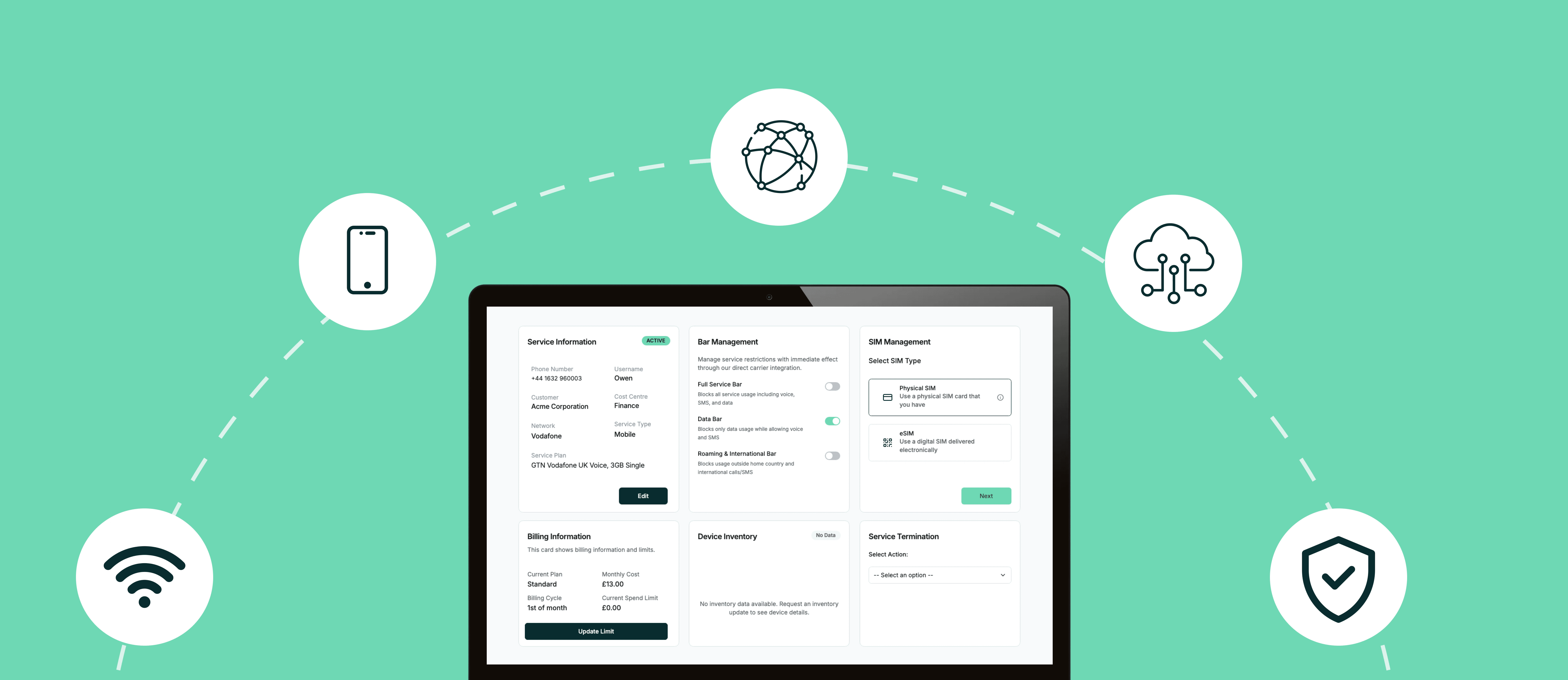
Businesses now expect to see exactly what they have, who it’s assigned to and what it’s costing them in real time. More importantly, they want to be able to take action immediately. Whether that’s barring a SIM, reallocating a device, changing a tariff or disconnecting a service that’s no longer needed, they don’t want to wait in a queue to do it.
Over the years, I have seen how relying on manual processes can create unnecessary overhead. IT and procurement teams end up spending a large portion of time managing relatively simple telecom changes. It pulls them away from more strategic work. At the same time, unused or underutilised services can easily remain active, quietly increasing monthly costs.
A well-designed self-serve platform solves that. It gives organisations a clear view of their estate and the ability to manage it directly. Changes can be made instantly. Waste is reduced. Cost control improves. And your team aren’t stuck with avoidable admin.
Governance is also a key consideration. Telecom services provide access to business systems, data and critical infrastructure, so it’s important that organisations have confidence in how changes are being made. Self-serve doesn’t reduce control; it strengthens it. With role-based access, approval processes and clear audit trails, businesses can maintain oversight whilst still allowing teams to act quickly and efficiently when needed.
Of the most significant changes I’ve seen is in customer expectation. Businesses now expect telecom providers to support them in a way that aligns with how they operate. They require flexibility, transparency and responsiveness. The traditional provider-led model, where customers adapt to rigid processes, doesn’t work anymore.
Self-serve represents a more modern partnership approach. It realises that customers know what they’re doing and understand their own estate and operational needs and therefore should have the right tools to manage them properly. It reduces friction, improves responsiveness and ensures telecom management supports wider digital transformation initiatives rather than holding them back.
Self-service should no longer be seen a value-added extra. It needs to become the baseline requirement for organisations that wish to manage their telecom estate efficiently, reduce operational overhead and ensure their connectivity strategy supports long-term business growth.
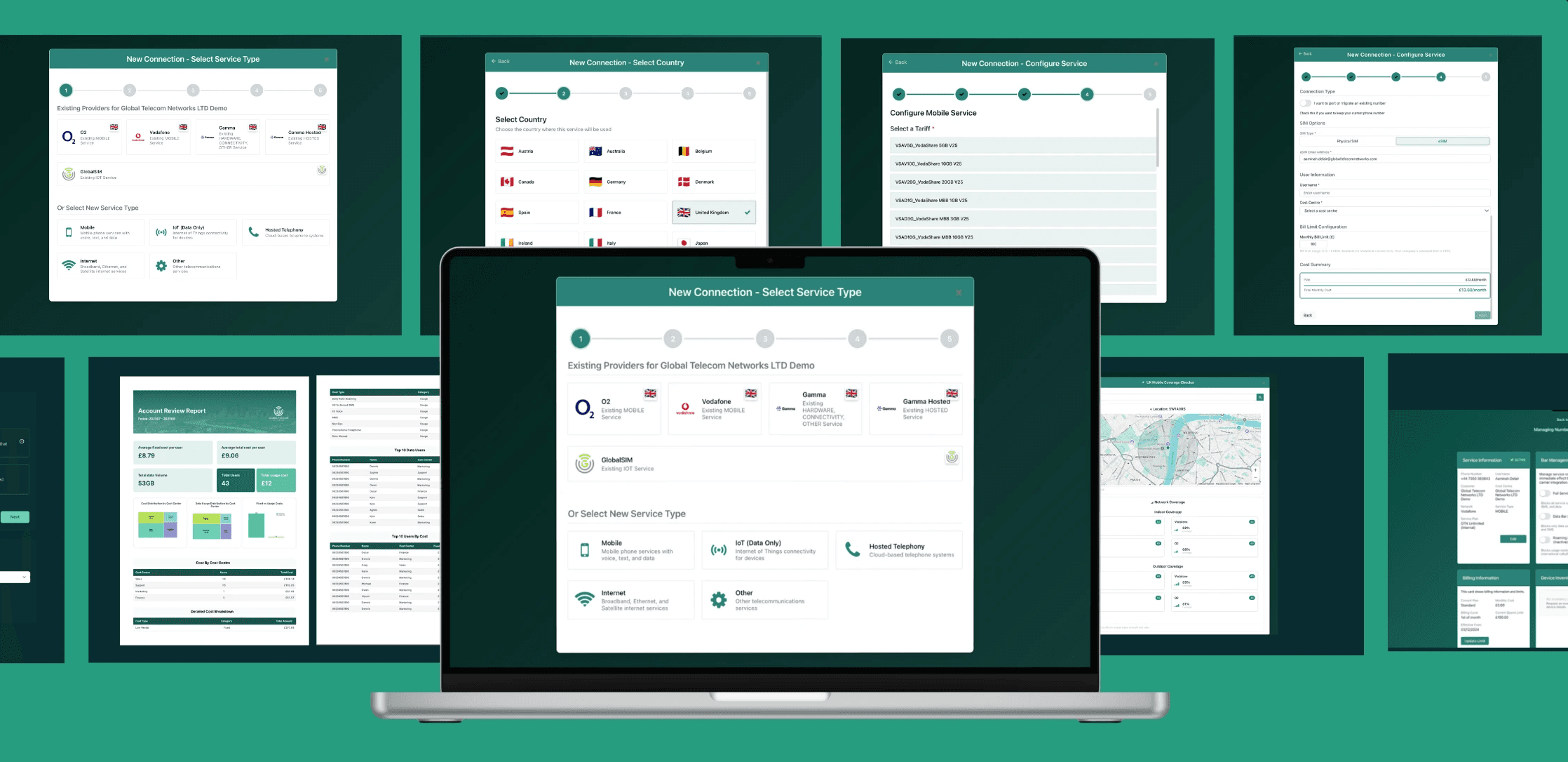
At Global Telecom Networks we’re proud to have created our own self service platform and we invite all of our customers to try it out for themselves.